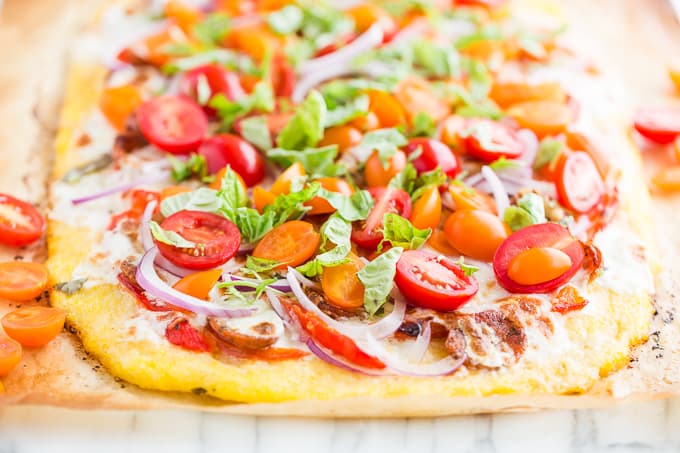
The Gluten-Free Pizza Quest: A Culinary Redemption Story
For many, pizza isn't just food; it's a way of life, a comforting classic that brings people together. From casual Friday nights to celebratory gatherings, the allure of a crispy crust, a symphony of toppings, and gooey, melty cheese is undeniable. Yet, for those navigating a gluten-free lifestyle, the dream of a truly satisfying pizza often feels out of reach. The market is flooded with gluten-free crusts, but many fall short, leaving a sense of disappointment that can only be described as heart-wrenching – especially for former bread bakers who recall the glory of artisan dough. The quest for a truly delicious, non-cardboard-like gluten-free pizza has been a long and often frustrating journey for countless food lovers.
Imagine the scenario: You’ve just finished an exhilarating day, perhaps hiking through the majestic mountains of Kananaskis or Banff National Park, returning home absolutely ravenous, only to face the dilemma of a sub-par gluten-free pizza. It’s a moment that can test even the most resilient spirits. This familiar disappointment is precisely what led to a culinary breakthrough – a pivot from conventional gluten-free crusts to an unexpected, yet utterly brilliant, alternative: polenta.
While a polenta crust doesn't mimic traditional bread, that's precisely its strength. It embraces its unique texture and flavor, offering a delightful base that stands on its own merits rather than trying to masquerade as something it's not. This innovative approach has brought pizza nights back to the menu, turning potential frustration into genuine culinary joy. What if we told you that your search for the perfect gluten-free pizza ends here, with a homemade polenta pizza featuring savory roasted red pepper and spicy Italian sausage?
Why Polenta? The Unexpected Hero of Gluten-Free Pizza Crusts
The beauty of polenta as a pizza crust lies in its inherent qualities. Made from finely ground cornmeal, polenta is naturally gluten-free, offering a delicious and wholesome base without any need for complex flour blends or gums. But its appeal goes beyond just being an allergen-friendly alternative. Polenta brings a distinct flavor and texture profile to the table that sets it apart:
- Naturally Gluten-Free: A straightforward solution for those with gluten sensitivities or celiac disease.
- Unique Texture: Unlike many bland, brittle gluten-free crusts, polenta offers a satisfying chewiness with a golden, slightly crispy exterior when baked. It holds its shape beautifully under a load of toppings.
- Subtle Sweetness: The natural corn flavor of polenta complements a wide array of savory toppings, adding a layer of complexity that enhances the overall taste experience.
- Versatility: While our focus today is on a hearty roasted red pepper sausage polenta pizza, the polenta crust is a blank canvas for endless topping combinations.
- Ease of Preparation: While it requires a few steps, the process is straightforward and yields consistent results, making it accessible for home cooks.
The journey to embracing polenta as a pizza crust often begins with a rejection of inferior imitations. When you stop trying to replicate a traditional bread crust and instead celebrate a new, delicious foundation, you unlock a world of culinary possibilities. Polenta isn't just a substitute; it's an elevation.
Mastering the Polenta Crust: From Grain to Golden Base
Creating the perfect polenta crust is simpler than you might think, and the payoff in flavor and texture is immense. The process involves a few key steps to ensure a smooth, firm, and flavorful base for your pizza masterpiece.
Preparing the Polenta Base
The foundation of any great polenta crust is well-cooked polenta. Start by bringing your water or broth to a rolling boil. While the liquid is hot, the trick to avoiding lumps and achieving a creamy consistency is to slowly sprinkle the polenta into the boiling liquid in a thin, steady stream. Whisk continuously as you sprinkle to incorporate it thoroughly. Reduce the heat and stir frequently, allowing the polenta to cook until it thickens and begins to pull away from the sides of the pan, holding its shape. This typically takes 20-30 minutes, depending on the type of polenta. Season the polenta with salt and pepper, and perhaps a touch of garlic powder or Parmesan cheese for added flavor.
Forming and Cooling the Crust
Once your polenta reaches the desired consistency, immediately spread it evenly onto a baking sheet lined with parchment paper. Use an offset spatula or the back of a spoon to shape it into your desired pizza round or rectangle, about ¼ to ½ inch thick. Allow the crust to cool completely at room temperature. This cooling period is crucial as it allows the polenta to set and firm up, making it easier to handle. For an even firmer crust, you can refrigerate it for a few hours, or even overnight.
The Advantage of Make-Ahead
One of the most appealing aspects of a polenta crust is its make-ahead potential. You can prepare the crust up to this point and store it in the refrigerator for 3-4 days, covered tightly with plastic wrap or a lid. This is a game-changer for busy households or when planning a pizza party. Imagine coming home after an exhausting day, like a long mountain hike, and having a ready-to-top pizza crust waiting for you. It transforms pizza night from a chore into a seamless, enjoyable experience. For more on this, check out our guide on how to Elevate Pizza Night: Make-Ahead Roasted Red Pepper Polenta Crust.
Par-Baking for Perfection
Before adding your toppings, the polenta crust benefits from a quick par-bake in the oven. This step helps it to further set and dry out slightly, ensuring a crispier base that won't become soggy under the weight of your delicious ingredients. Bake the plain crust at a high temperature (e.g., 400°F / 200°C) for about 10-15 minutes, or until the edges begin to turn golden and firm. Now, your canvas is ready for the culinary artistry!
Crafting Your Dream Pizza: The Roasted Red Pepper Sausage Polenta Pizza Experience
With your perfectly prepared polenta crust ready, it's time to assemble a pizza that will tantalize your taste buds. Our star today is the magnificent roasted red pepper sausage polenta pizza – a combination that’s rich in flavor, texture, and visual appeal.
The Sauce: Beyond Marinara
While a classic marinara or pizza sauce is always a winner, consider experimenting with alternatives. A dollop of crème fraîche, spread directly onto the hot par-baked crust, melts into a subtle, tangy base that complements the other ingredients beautifully. Don't worry if it seems to melt away; it turns into a lovely, creamy underlayer. For a seasonal twist, fresh tomato slices can be layered directly on the crust during peak tomato season, offering a burst of natural sweetness and acidity.
Star Toppings: Roasted Red Pepper & Italian Sausage
This is where the magic happens. The robust, smoky sweetness of roasted red peppers pairs exquisitely with the savory, often spicy kick of Italian sausage. Here’s how to prepare them:
- Roasted Red Peppers: You can buy these jarred for convenience, or easily roast your own at home. Simply halve and deseed bell peppers, brush with olive oil, and roast at 400°F (200°C) until tender and slightly charred. Peel the skin if desired, then slice into strips.
- Italian Sausage: Remove the sausage meat from its casing and crumble it into a hot pan. Cook until browned and fully cooked through, breaking up any large pieces. Drain any excess grease. For an extra layer of flavor, consider using spicy Italian sausage.
Assembling Your Polenta Pizza
Once your par-baked crust is ready, it's time to layer:
- Sauce/Base: Spread your chosen sauce (crème fraîche, marinara, or fresh tomato slices).
- Cheese: Sprinkle a generous layer of your favorite melty cheese. Mozzarella is a classic, but a blend with provolone or fontina can add depth.
- Sausage & Peppers: Distribute the cooked Italian sausage and roasted red pepper strips evenly over the cheese.
- Additional Toppings (Optional): Feel free to add thinly sliced onions, a sprinkle of fresh basil, or even some chili flakes for extra heat.
Bake the assembled pizza in a preheated oven (usually 400-425°F / 200-220°C) for another 10-15 minutes, or until the cheese is bubbling, golden, and the crust edges are nicely crisped. Let it rest for a few minutes before slicing and serving. The aromas alone will tell you you’ve created something special.
Making Pizza Night a Tradition: Tips for Effortless Enjoyment
Turning pizza night into a cherished tradition, especially with a gluten-free option like our roasted red pepper sausage polenta pizza, is easier than you think. It's about combining convenience with the joy of homemade goodness.
The Family Affair
Pizza night is inherently communal. In many homes, it's a family affair where everyone gets involved, from kneading dough (or in our case, spreading polenta!) to choosing toppings. Even young children can enjoy rolling out small portions of polenta for their mini-pizzas, fostering a love for cooking and creating lasting memories. This interactive element makes the meal even more special than ordering takeout.
Seasonal Swaps and Creative Freedom
The beauty of homemade pizza, especially with a versatile polenta crust, is its adaptability. When tomato season ends, don't fret! Marinara or a quality store-bought pizza sauce works perfectly. Experiment with other seasonal vegetables, different types of sausage or plant-based alternatives, and various cheese combinations. The polenta crust provides a sturdy and flavorful foundation for almost any culinary whim. This adaptability makes it perfect for themed pizza parties, as one family discovered when they swapped a traditional Thanksgiving turkey for a make-your-own pizza celebration!
Storage and Reheating
Should you be lucky enough to have leftovers, slices of roasted red pepper sausage polenta pizza reheat beautifully. The polenta crust maintains its integrity and can regain a pleasant crispness when reheated in a toaster oven or a hot pan. This means delicious meals (or snacks!) are just minutes away, extending the joy of your pizza creation.
Embracing a polenta crust for your gluten-free pizza needs isn't just about dietary restrictions; it's about discovering a new, incredibly delicious way to enjoy one of the world's most beloved foods. It’s about transforming past disappointments into future culinary triumphs.
Conclusion
The journey to finding a truly delightful gluten-free pizza can be challenging, but with the advent of the polenta crust, that search finally comes to a triumphant end. No more cardboard imitations or tears of disappointment. The unique texture, subtle sweetness, and robust nature of a polenta base provide the perfect foundation for a symphony of flavors, especially when topped with savory Italian sausage and sweet, smoky roasted red peppers. This isn't just a gluten-free alternative; it's a culinary revelation. Whether you're planning a lively family pizza night, a post-hike feast, or simply craving a satisfying meal, the homemade polenta pizza promises a memorable, delicious experience that will undoubtedly become a cherished tradition. Prepare to fall in love with pizza all over again.
